
Patricia Shafer, October 30, 2017
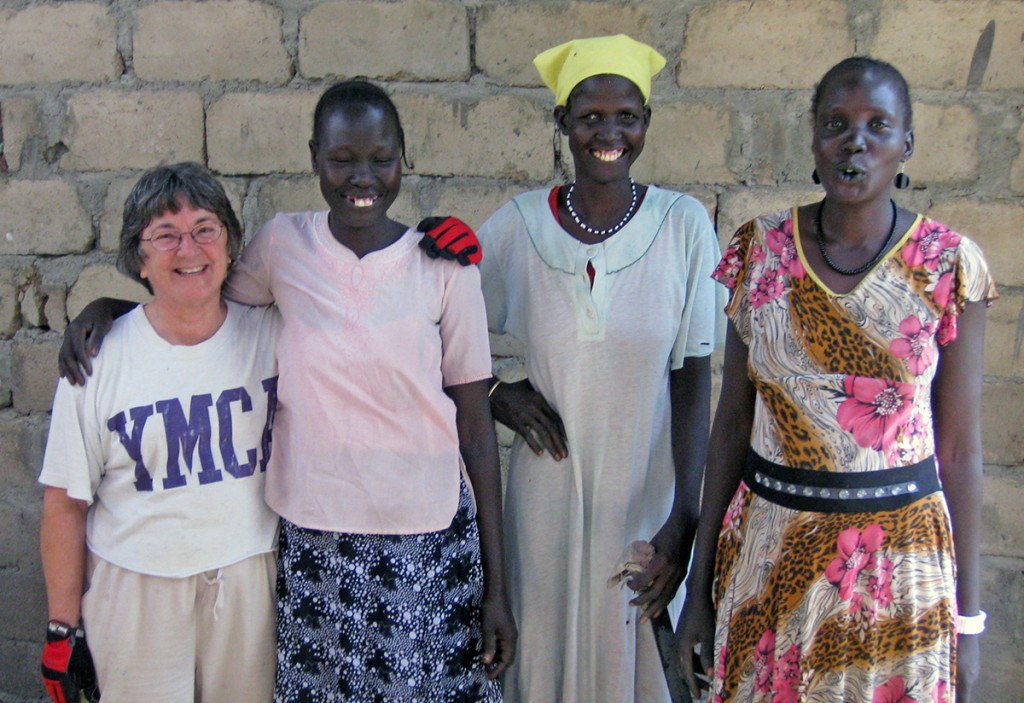
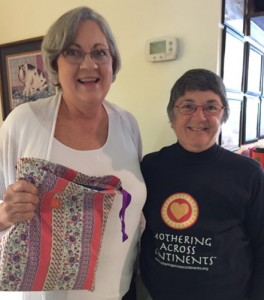 More than 70 teachers from schools in Old Fangak, South Sudan, will soon be in annual training that spans a three-month break. A challenge for women teachers is training days lost if menstrual hygiene products are not available . . . Dr. Ann Evans, Ellene Place, and volunteers in North Carolina are helping.
In the years we’ve provided education support to schools in East Africa, we’ve become acutely aware of difficulties women and girls have finding and purchasing menstrual hygiene products. We’ve researched a number of options and had informative conversations with DaysforGirls, RUMPS, and social enterprises.
We see a sustainable strategy emerging for 2018, but sometimes immediate needs just have to be addressed. When Sr. Barbara Paleczny of Solidarity with South Sudan emailed, “Please, is there any way to provide menstrual hygiene products for women teachers during upcoming training in Old Fangak?” the answer was “yes.” After all, Dr. Ann Evans started what’s become a Mothering Across Continents project under the theme “Women at the Center,” and she’ll be back in South Sudan in November.
 Of course, Ann being the Ann we know and love found a creative, relationship-focused way to obtain the needed products. She arranged to meet Ellene Place, a former quilter in Pinehurst, NC, who switched to making #DaysforGirls menstrual hygiene kits. A small group of volunteers gathers in her home and sews together. Over lunch, Ann showed Ellene photos of Old Fangak village, its residents and women teachers who will benefit.
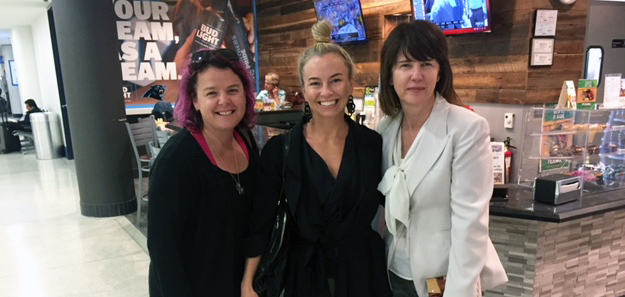
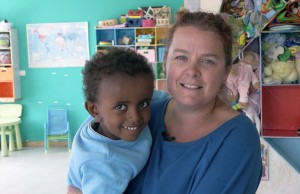
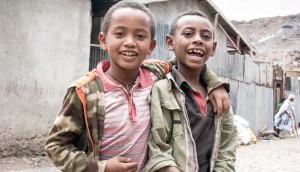 Over the two hours the three of us spent together, I learned that Karen and Shamida Ethiopia includes clean, comfortable housing but also a spirit of helping where the most need arises. I am moved by Karen’s collaboration with nonprofit Hamlin Fistula Hospital which provides comprehensive care for women who suffer from physical impairments related to pregnancy and delivery. As Hamlin Fistula USA notes, “In the United States, serious maternal injuries during childbirth are rare, but in Ethiopia . . . problems such as obstructed birth mean that labor can last for several days, with life-altering consequences. Stillbirths are common and grieving mothers are often left with debilitating physical injuries such as obstetric fistula, a condition that renders women unable to control leakage of urine and feces . . . isolating and depressing.”